





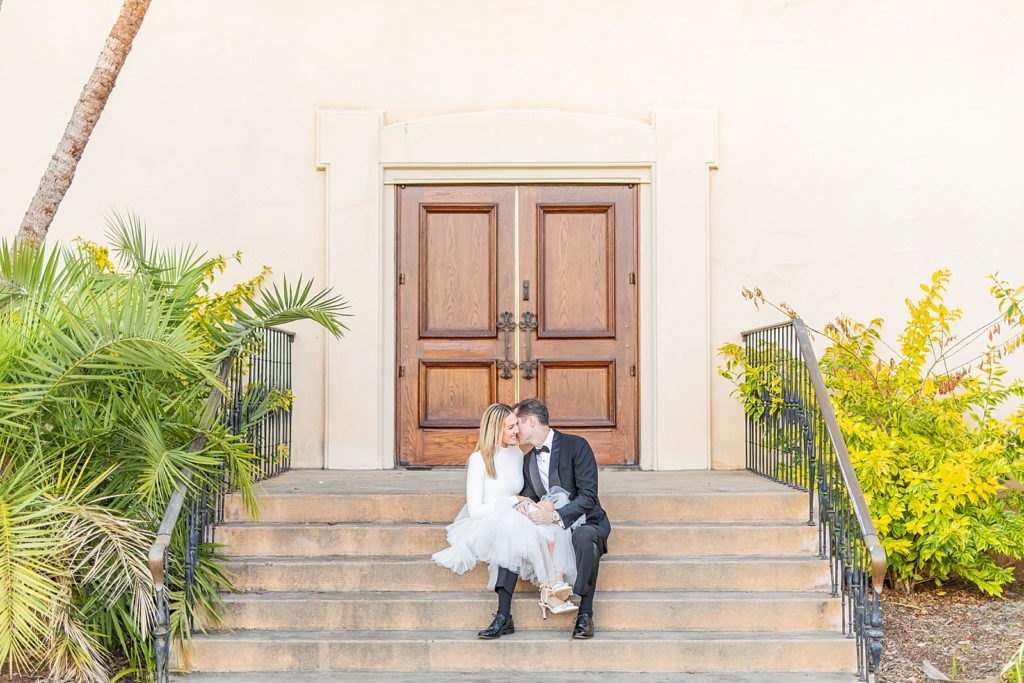
It’s official! He put a ring on your finger, you’ve called all your friends and family, but now you’re getting a whole lot of questions from loved ones. When is the big day? What venue are you choosing? Did you pick your bridesmaids? It starts almost immediately, and that can be overwhelming for anyone! Rest assured, as industry pros and a married couple ourselves, we know exactly where to start! Here are the first three things to do after you get engaged!
Draft Your Guest List
This may seem like an odd one to start, but as you inquire with several different venues and vendors, you’ll be asked your guest count quite often. Having a rough draft of how many people you and your fiancé plan on inviting makes things much easier.
We recommend taking make two different lists: one for you, and one for your fiancé. Then take time separately to think of everyone you think you may invite to your big day. Once you’re finished, come together to add them up. While your final guest count is up to you and there’s no right or wrong amount of guests, San Diego’s average is 120. When we were planning, knowing that average helped us gage how many people is was “good amount.”
Have the Budget Conversations
Before you start hitting “send” on any contact forms, establishing a budget is crucial. Finances can be a stressful topic for couples, especially if they have different expectations, so talking this out up front will save you time and stress later!
Many couples split up the cost of the wedding between themselves and their families, while others pay it all by themselves or have parents that want to pay for it all. We recommend sitting down with each of your parents and ask them if and how much they’d like to contribute to your wedding day. Once you have those numbers, sit down together and figure out how much you are each able to contribute. From your total, establish how much you’d like to split between each piece of the wedding (florals, photo & video, planner, venue, dress, etc). You can hold the amount you’d like to spend on each vendor more loosely, but having a ball park definitely helps!
Check Your Calendar
Before you contact your venue, you’ll need to know what time of year and some potential dates you are looking for. Think about how much time you’d like to plan and how long different things may take to come in. For example, dress shops can take a minimum of six months to a year to get certain styles in, so make sure you give yourself enough time to plan and your vendors enough time to prepare as well. Note any dates you know you cannot do or would be stressful to you so you can cross those off the list when you get your venue’s availability.
There are pros and cons to every season, but here’s a small table to think about if you need help deciding:
| SEASON | PROS | CONS |
|---|---|---|
| Spring (March-May) | – Lots of florals and greenery in bloom – Prices are lower than prime wedding season | – Higher chance of rain – Weather can be unpredictable |
| Summer (June-August) | – Low chance of rain – Flowers and greenery are in full bloom | – Prices are higher than winter and spring – Temperatures can get very hot (especially the farther you get from the coast) |
| Fall (September-November) | – Temperatures are moderate, but still mostly sunny – Leaves are changing into beautiful colors | – Higher chance of rain the closer once you enter October and November – Competitive with other couples since it is a more popular time of year |
| Winter (December-February) | – Guests will have holiday time off making it easier to attend – Prices are lower than prime wedding season | – High chance of rain – Weather can get very cold for outdoor weddings |
Once you’ve done these first three steps, you can start looking for your ideal vendors, starting with your venue or planner! But, if you’d like a compact PDF with lists of questions to ask before booking and a timeline of who to contact in what order, you can download our FREE Wedding Planning Guide! Our bride & groom’s love it and find it super helpful as they plan! Enjoy!











add a comment
+ COMMENTS